8 July 2026 | Kuala Terengganu
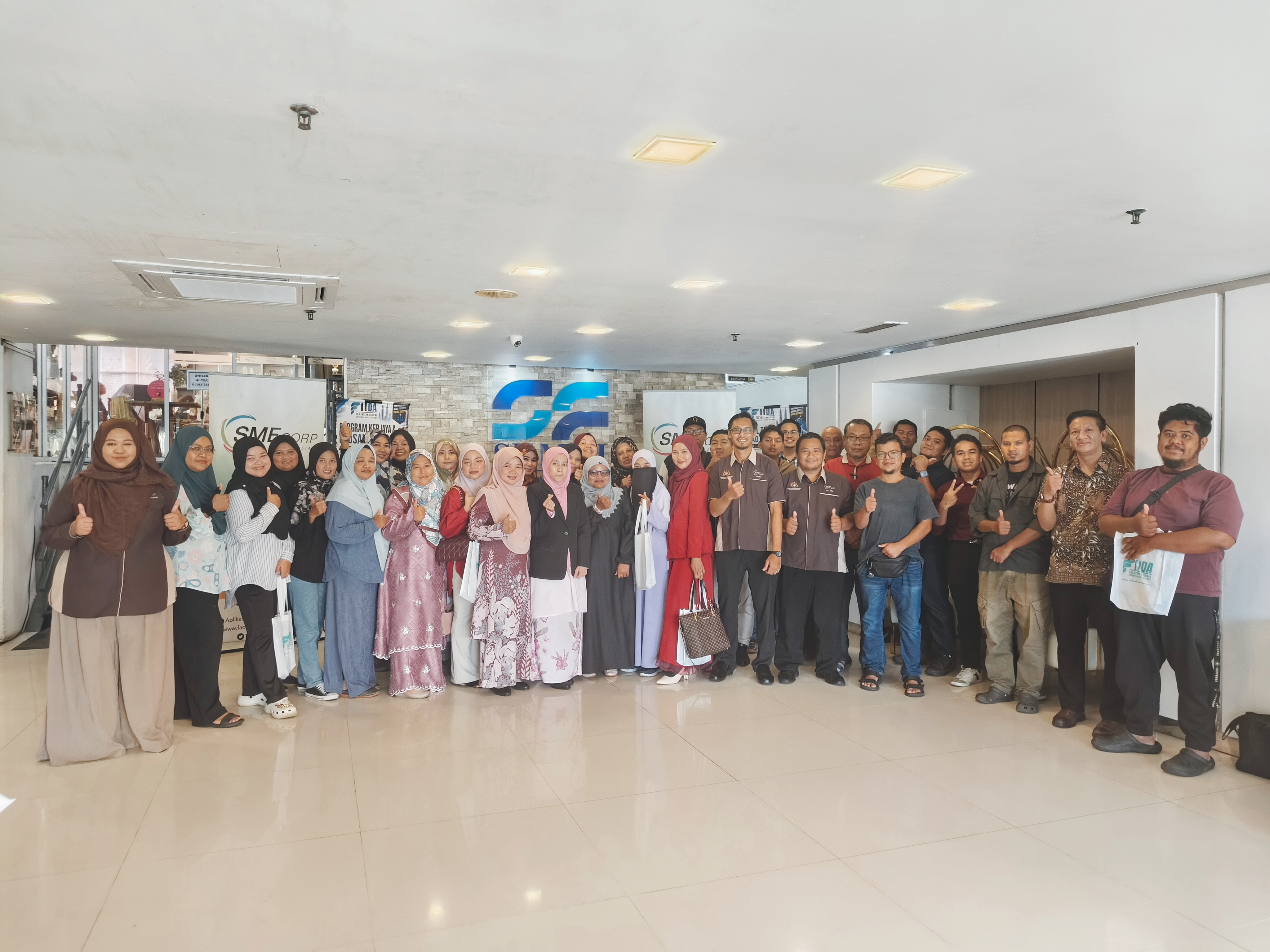
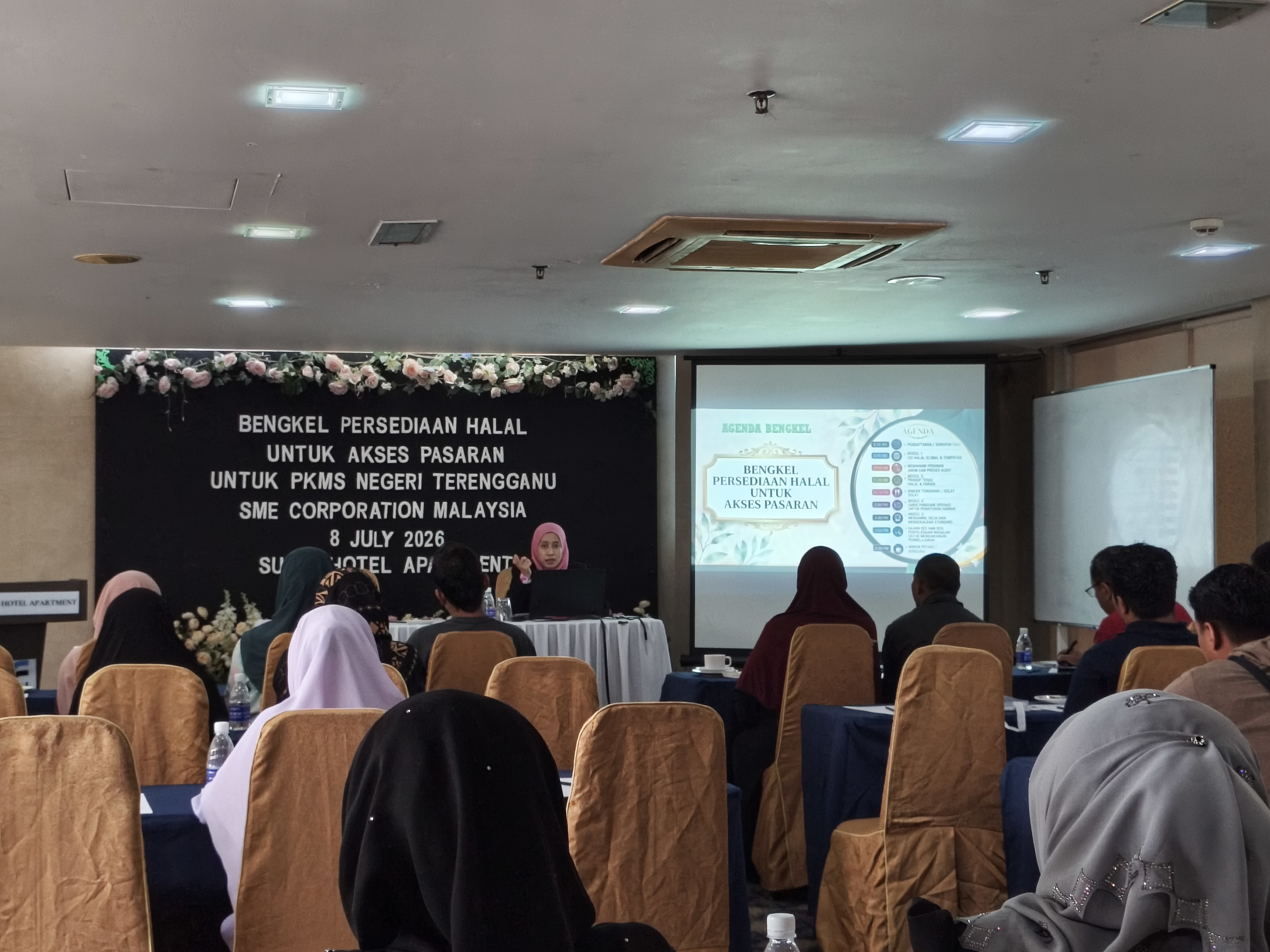
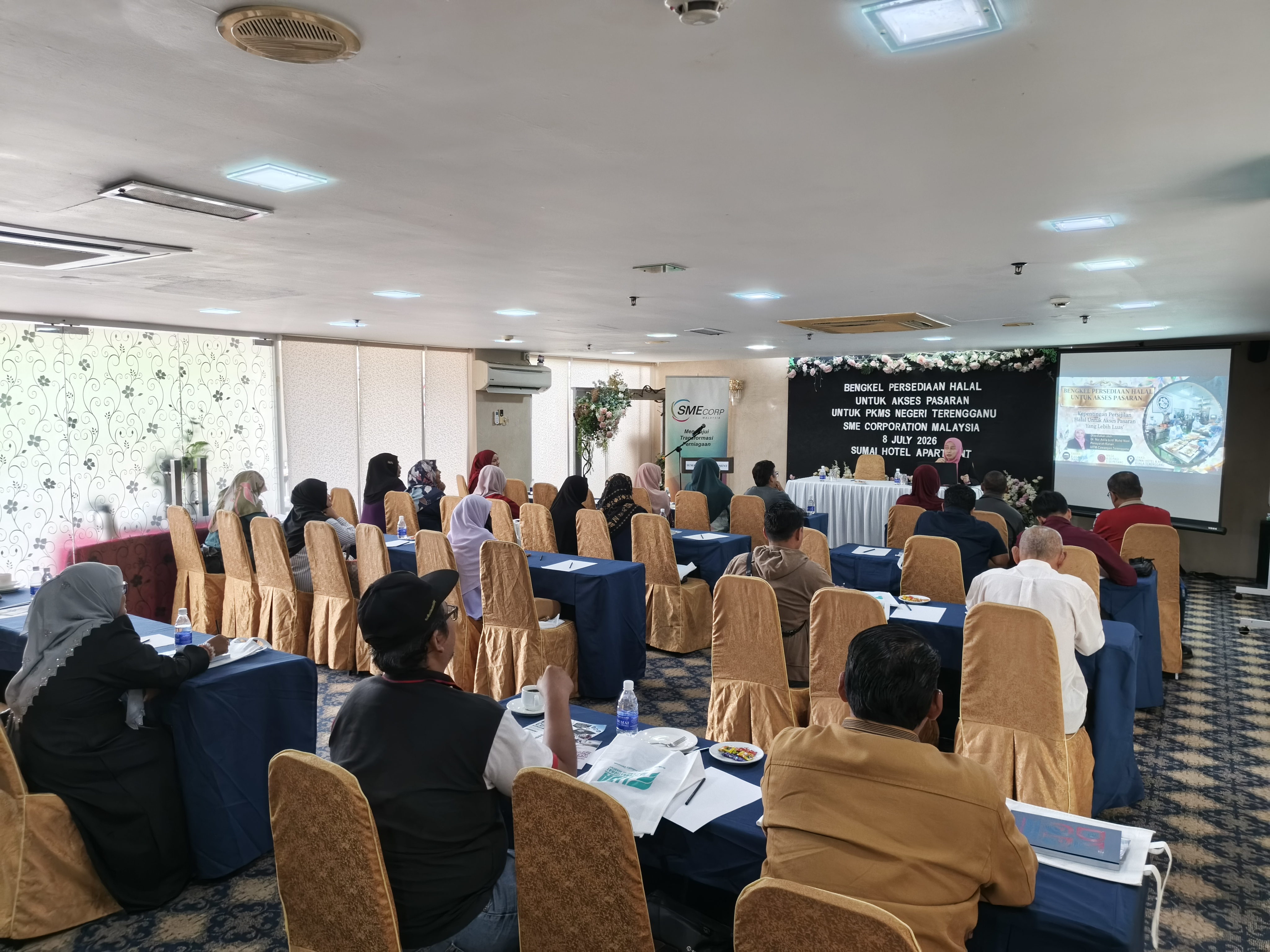
SME Corp. Malaysia Terengganu, in collaboration with FGA International Industry & Digital Academy (FIIDA), successfully organised the Bengkel Persediaan Halal untuk Akses Pasaran on 8 July 2026 at Sumai Hotel & Apartment, Kuala Terengganu.
The full-day workshop brought together 50 small and medium enterprise owners from Terengganu and Kelantan to strengthen their understanding of Halal certification, regulatory compliance and the opportunities available through wider market access.
The programme was designed to help entrepreneurs gain clearer knowledge of the Halal certification process while preparing their businesses to meet the standards required for entry into local and international markets.
Strengthening SME Readiness for Halal Certification
Halal certification is increasingly important for businesses seeking to build consumer confidence, strengthen their market position and expand into new commercial opportunities.
However, many entrepreneurs may still be uncertain about the preparation, documentation, operational procedures and compliance requirements involved in obtaining and maintaining Halal certification.
Through this workshop, participants received structured guidance on the key steps required before submitting a Halal certification application. They were also introduced to the responsibilities of business owners in ensuring that Halal requirements are consistently practised throughout their daily operations.
The programme emphasised that Halal compliance is not limited to obtaining a certificate. It requires an ongoing commitment to product integrity, operational discipline, documentation, quality control and adherence to established standards.
Exploring Wider Market Opportunities
One of the main objectives of the workshop was to help SMEs understand how Halal certification can support business growth and create access to broader markets.
For entrepreneurs, recognised Halal certification can enhance brand credibility and provide greater assurance to consumers, distributors, retailers and potential business partners.
It may also strengthen the ability of local businesses to explore opportunities in:
By improving their Halal readiness, SMEs can position their products and services more competitively while building a stronger foundation for sustainable expansion.
Comprehensive Workshop Modules
The workshop featured six modules covering the essential components of Halal certification and business compliance.
Module 1: Global and Local Halal Issues
Participants were introduced to current Halal developments at both domestic and international levels.
The session provided a broader understanding of how changing consumer expectations, industry trends and regulatory requirements may affect businesses operating within the Halal economy.
Module 2: Understanding JAKIM’s Role and the Audit Process
This module focused on the role of the Department of Islamic Development Malaysia, or JAKIM, and the processes involved in Halal certification and auditing.
Participants gained a clearer understanding of what businesses should prepare before an audit, the areas that may be assessed and the importance of maintaining accurate documentation and operational compliance.
Module 3: Core Principles of Halal and Haram
Participants were guided through the fundamental principles of Halal and Haram and how these principles apply to products, ingredients, preparation, processing, handling and business operations.
The session helped entrepreneurs understand that Halal compliance involves the entire value chain rather than focusing only on the final product.
Module 4: Operational Guidelines for Daily Compliance
This module provided practical guidance on incorporating Halal requirements into daily business activities.
Areas discussed included operational procedures, hygiene, storage, ingredient control, record management, supplier considerations and the responsibilities of employees in maintaining compliance.
Module 5: Monitoring and Maintaining Standards
Obtaining Halal certification represents only one stage of the process. Businesses must also ensure that the required standards are continuously maintained.
Participants learned about the importance of internal monitoring, consistent documentation, staff awareness and corrective action in preventing compliance issues.
Module 6: Case Studies and Problem-Solving
The final module used practical cases and problem-solving discussions to reinforce the participants’ understanding.
This allowed entrepreneurs to examine realistic business situations, identify potential compliance risks and consider suitable measures to address operational challenges.
Practical Knowledge for Entrepreneurs
The workshop adopted a practical approach to help participating SMEs translate regulatory knowledge into actions that can be implemented within their own businesses.
Among the key areas of learning were:
The programme also provided an opportunity for participants to raise questions, discuss their business challenges and gain a clearer understanding of the improvements required within their respective operations.

Supporting SMEs from Terengganu and Kelantan
The participation of 50 SMEs from Terengganu and Kelantan reflected the growing interest among East Coast entrepreneurs in strengthening their Halal capabilities and expanding their businesses.
The workshop served as an important platform for participants to improve their knowledge while connecting with other entrepreneurs who may be facing similar challenges throughout the certification process.
Through programmes of this nature, SMEs can receive the guidance required to become more prepared, compliant and confident before beginning their formal Halal certification journey.
Strategic Collaboration for SME Development
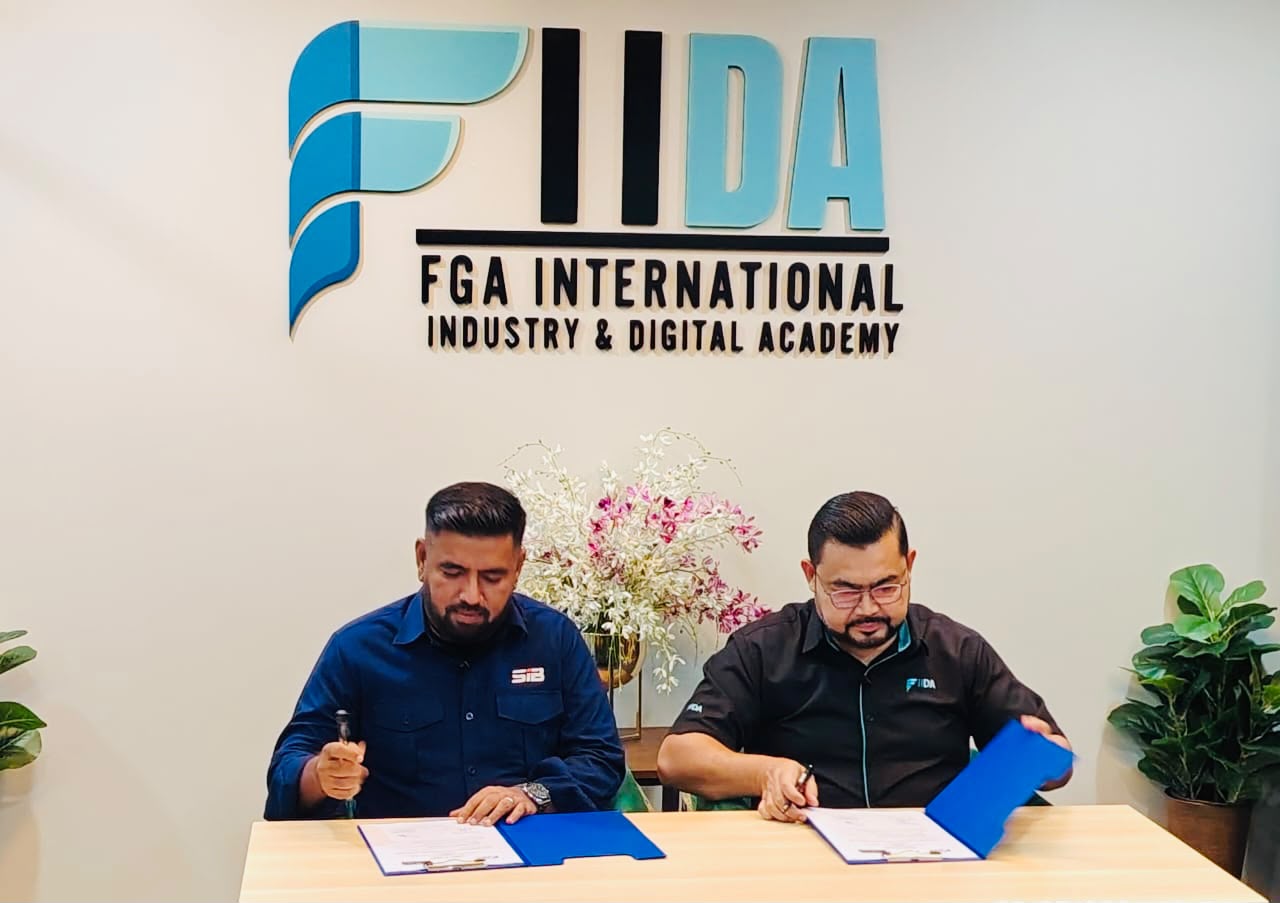
The collaboration between SME Corp. Terengganu and FIIDA reflects a shared commitment to supporting the development of competitive, knowledgeable and market-ready entrepreneurs.
SME Corp. Terengganu plays an important role in strengthening the SME ecosystem through business development support, advisory services and initiatives that improve entrepreneurial capabilities.
FIIDA contributes through its focus on practical training, industry-oriented learning and business capability development. This approach supports entrepreneurs in applying their knowledge to actual business operations and achieving more meaningful outcomes.
By combining institutional support with structured training and practical guidance, both organisations aim to help SMEs improve their readiness for certification, strengthen their commercial potential and explore wider market opportunities.
Building Halal-Ready and Market-Ready Businesses
The successful completion of the workshop represents another positive step in strengthening the capabilities of SMEs across Terengganu and Kelantan.
Participants are expected to apply the knowledge gained by reviewing their business processes, improving documentation, strengthening operational controls and preparing more systematically for Halal certification.
SME Corp. Terengganu and FIIDA remain committed to supporting entrepreneurs in developing businesses that are not only Halal-compliant but also competitive, sustainable and prepared for future growth.
FIIDA extends its sincere appreciation to SME Corp. Terengganu,