15 July 2026 | Putrajaya
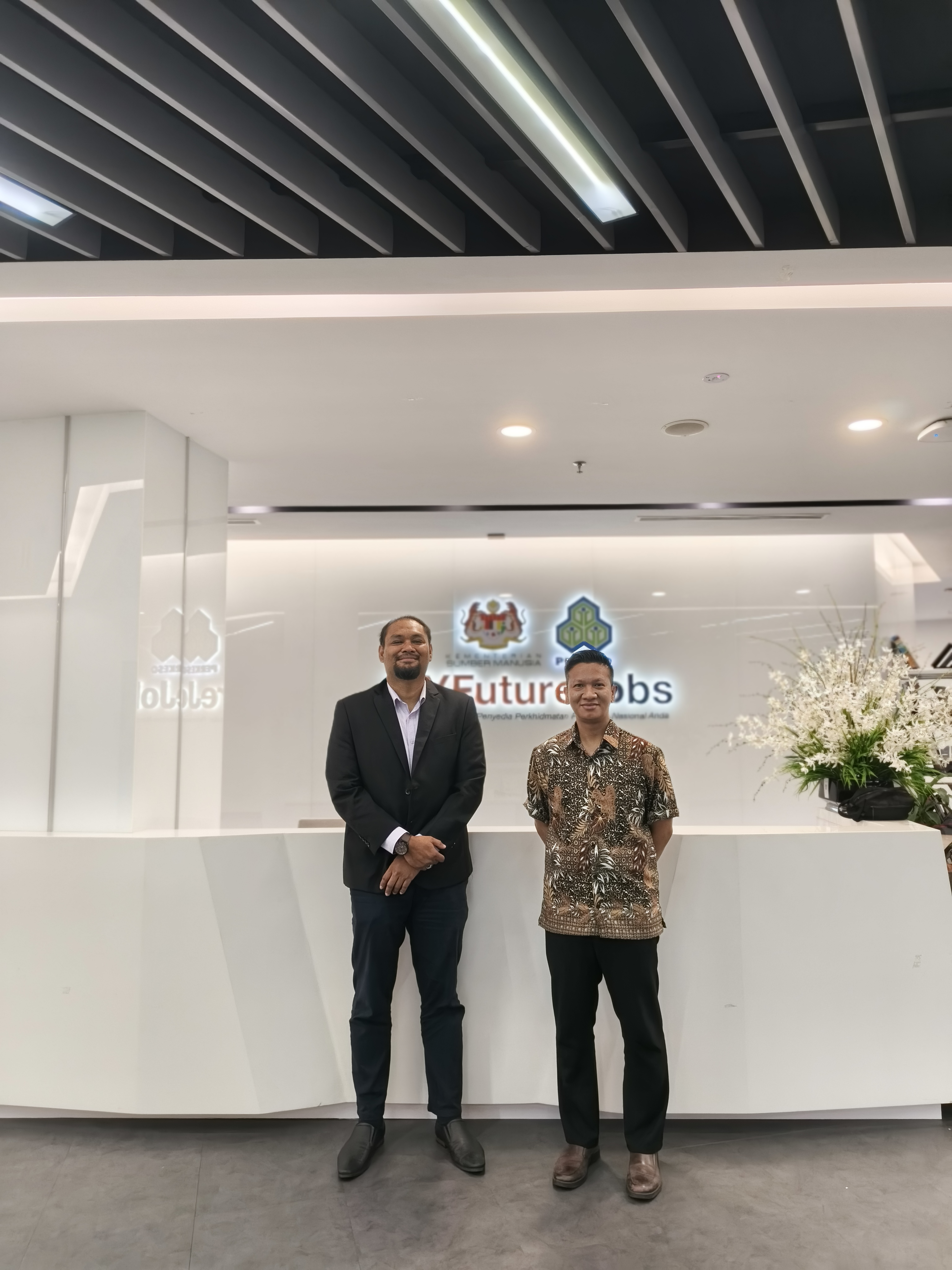
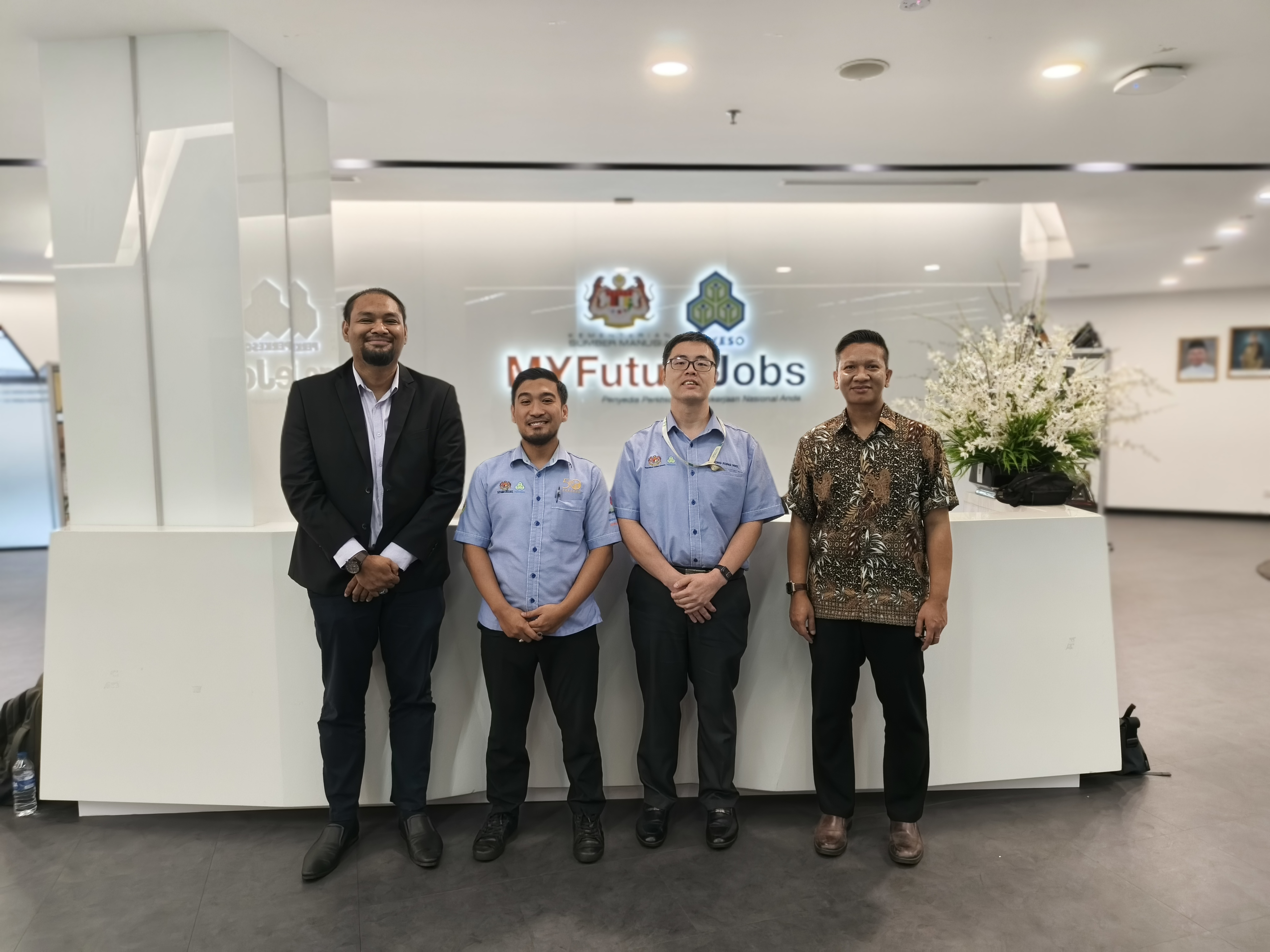
FGA International Industry & Digital Academy (FIIDA) conducted an official visit and strategic engagement session with the Pertubuhan Keselamatan Sosial (PERKESO) in Putrajaya on 15 July 2026.
The meeting provided an important platform for FIIDA to introduce its industry-driven talent development ecosystem and present potential areas of collaboration with PERKESO and MYFutureJobs. The discussion focused on strengthening employability, improving job matching, expanding access to industry-oriented training and supporting more sustainable employment outcomes.
The proposed collaboration aims to connect jobseekers with structured training, recognised certification, career preparation, employer networks and employment opportunities through a more integrated talent development framework.
Building a More Connected Employment Ecosystem
The engagement reflected a shared interest in building an employment ecosystem that responds more effectively to the changing needs of jobseekers and employers.
Rather than focusing solely on short-term training, the proposed approach connects skills development with real workplace requirements, employer expectations and measurable employment outcomes.
FIIDA presented its end-to-end talent development model, which covers:
Through this structure, participants would be supported from the initial training stage until they are prepared to enter or return to the workforce.
Proposed Areas of Strategic Collaboration
Several potential areas of cooperation were discussed during the session.
Career Fair and Employer Engagement
FIIDA may support career fairs, training and career booths, candidate screening, talent pool registration and employer engagement initiatives.
This would help connect jobseekers directly with employers while creating better visibility of current industry opportunities and workforce requirements.
Job-Ready and Employability Development
Participants may receive comprehensive career preparation covering career profiling, résumé development, professional communication, workplace ethics, mock interviews, digital workplace skills and occupational safety awareness.
The objective is to ensure that candidates are not only qualified but also confident, prepared and ready to meet employer expectations.
Industry Skills Training
The proposed collaboration may include technical and professional training aligned with sectors such as manufacturing, logistics, construction, oil and gas support services, automotive and electric vehicles, hospitality, digital industries and other service sectors.
Industry-relevant training would help reduce skills mismatches and improve the quality of candidates available to employers.
Talent Pool and Job Matching
A structured talent pool could be developed to record candidate profiles, qualifications, competencies, career interests and readiness levels.
Candidates could then be categorised according to industry needs and matched with suitable employment opportunities based on employer criteria.
Placement and Outcome Monitoring
The proposed model would extend beyond job referrals by monitoring interviews, job offers, reporting dates and employee retention.
Follow-up monitoring at 30, 60 and 90 days could help identify challenges faced by placed candidates and allow suitable interventions to be introduced where required.
Proposed High-Impact Programmes
FIIDA also presented several programmes that may be implemented through future collaboration with PERKESO and MYFutureJobs.
Train, Certify and Place Programme
This programme combines training, recognised certification, interviews, job placement and post-placement monitoring.
It is designed to provide participants with a clear pathway from competency development to employment.
Place and Train Employer-Led Programme
Under this approach, employers identify workforce requirements before training begins.
FIIDA would then design and deliver training based on the employer’s competency standards, helping participants gain relevant skills before entering the workplace. This approach may reduce recruitment mismatches and shorten the time needed for new employees to become productive.
Career Transition and Re-Employment Programme
This programme is intended for individuals who have lost their jobs, experienced retrenchment or taken a career break.
Participants may receive career profiling, transferable skills assessment, reskilling, résumé support, interview preparation and job-matching assistance to help them transition into suitable new roles.
Digital Marketing, Content Creator and Live Commerce Programme
The programme aims to develop income and employment opportunities in the digital economy.
Training areas may include content creation, video production, social media management, copywriting, live selling, affiliate marketing, marketplace operations, digital advertising and e-commerce management.
Participants could pursue employment, freelancing, affiliate marketing or online business opportunities after completing the programme.
Women Return-to-Work and Career Restart Programme
This initiative is designed to support women who wish to return to employment after taking a career break.
The programme may include skills refreshment, digital workplace confidence, résumé rebuilding, interview preparation, personal branding, flexible work readiness, employer matching and career coaching.
Technical Workforce Readiness Programme
This programme prepares participants for entry-level technical and industrial roles through practical training, workplace safety, technical discipline and industry exposure.
Potential learning areas include basic technical knowledge, machinery awareness, quality practices, production processes, workplace communication and industry work culture.
Supporting Diverse Groups of Jobseekers
The proposed initiatives are intended to support individuals who require different levels of employment intervention, including:
By providing targeted programmes, participants can receive support that reflects their background, current capabilities and career objectives.
From Training to Measurable Outcomes
A key feature of FIIDA’s proposed approach is its emphasis on measurable results.
The FIIDA 4+3 Model combines four weeks of intensive training with three months of mentoring and progress monitoring. The training structure places strong emphasis on practical application, supported by theoretical knowledge, coaching and real-world output.
After the training stage, participants would continue to receive mentoring while their employment applications, interviews, business activities, digital content or income-generating progress are monitored.
Monthly progress reports and outcome data may be used to evaluate participant development, identify individuals requiring additional support and improve future programmes.
For jobseekers, the expected outcome is a clearer pathway towards skills, confidence, interviews and employment. For employers, the model provides access to a more relevant and screened talent pool. For PERKESO and MYFutureJobs, it supports more structured monitoring of training, interviews, placement and employment retention.
Moving Forward Together
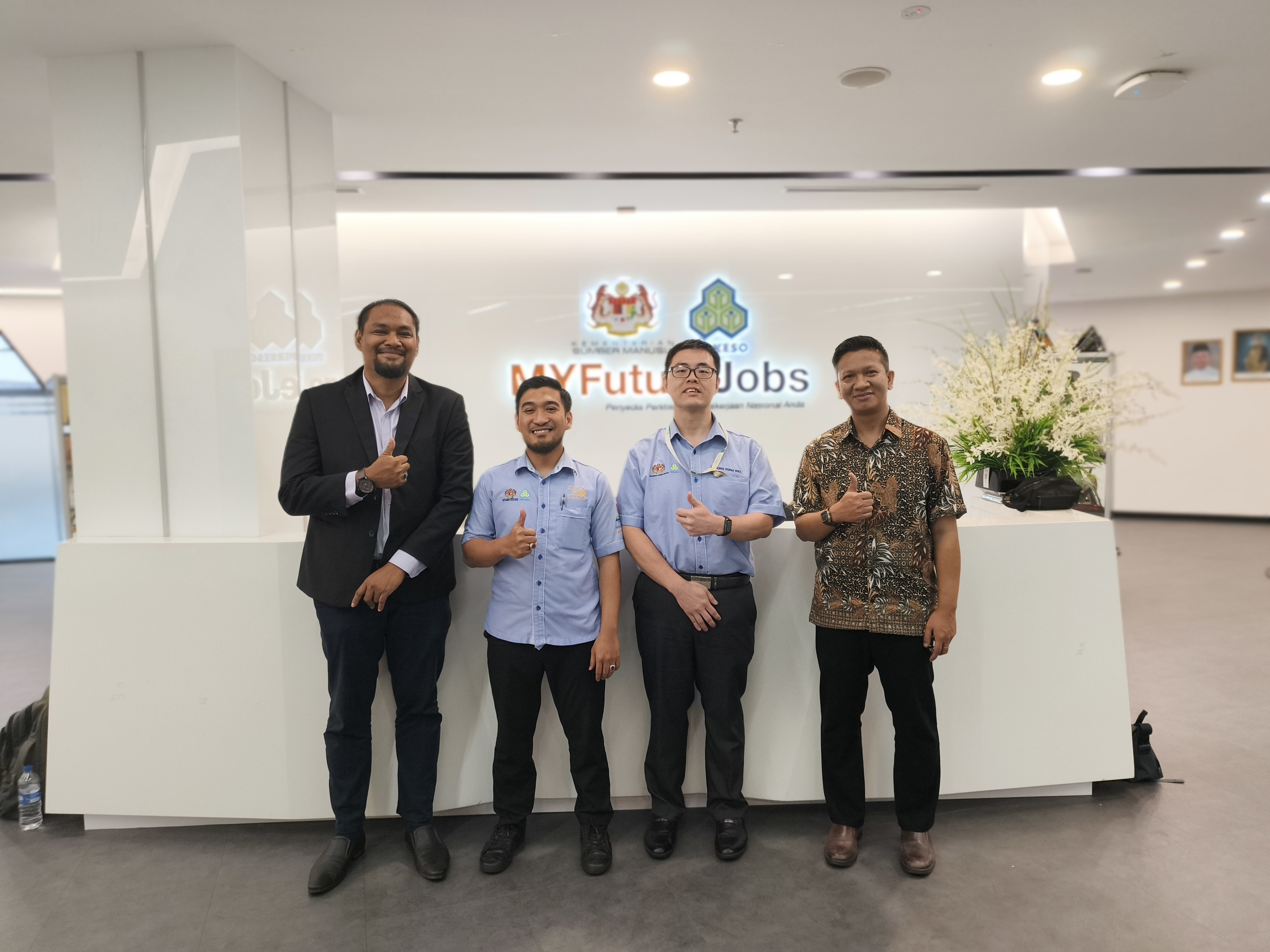
The visit marks a positive step towards exploring a strategic relationship between FIIDA, PERKESO and MYFutureJobs in the areas of employability development, industry training and job placement.
FIIDA remains committed to working with government agencies, employers and industry partners to develop talents who are skilled, adaptable and ready to contribute to Malaysia’s workforce.
FIIDA extends its sincere appreciation to PERKESO Putrajaya for the warm welcome and valuable discussion. We look forward to exploring future initiatives that can improve employability, strengthen employer access to job-ready candidates and create sustainable employment opportunities for communities across Malaysia.
Together, we connect talent with opportunity and build a stronger, more future-ready Malaysian workforce.